




Other CT Humanities Programs

Creative Commons Licensing


Now Viewing:
Popular Culture


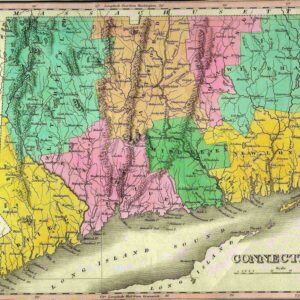
Marquis de Lafayette’s 1824 Tour of Connecticut
Almost five decades after the United States declared independence, Congress extended an official invitation to Marquis de Lafayette to tour the country as “The Nation’s Guest.”
Read
New England Society for Psychic Research: Connecticut Paranormal Investigators Leave Legacy of the Occult
A fascination with haunted houses, spirits, and demonology led Ed and Lorraine Warren to establish the New England Society for Psychic Research (NESPR) in 1952.
Read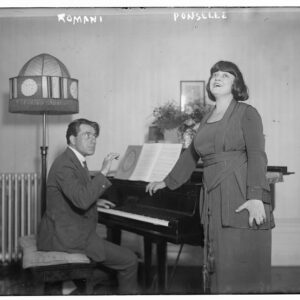
Rosa Ponselle: Meriden’s Famous Musical Daughter
Rosa Ponselle etched her name in history as the first American-born and American-trained singer to star with the Metropolitan Opera Company.
Read
Charlton Publications: Song Lyric Printing Business to Major Player in the Comic Book Industry
By the late 1950s, Charlton Publications was home to some of the most accomplished artists and writers in the comic book industry.
Read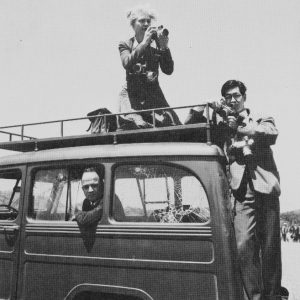
Photojournalist Margaret Bourke-White: “No Picture Was Unimportant to Her”
Margaret Bourke-White photographed some of the 20th century’s most significant people and events, but spent her later years in Darien, Connecticut.
Read
Banner Lodge: A Vacation Playground for an Excluded Population
From the 1930s to the 1970s, Banner Lodge was one of the most popular vacation destinations in Connecticut and actively welcomed a Jewish clientele.
Read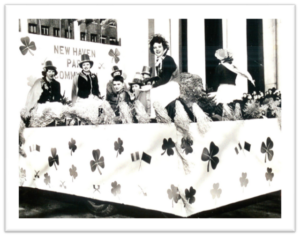
St. Patrick’s Day – Today in History: March 17
On March 17, 1842, the New Haven Hibernian Provident Society, founded in 1841, sponsored the first St. Patrick’s Day Parade held in New Haven.
Read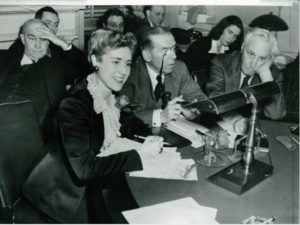
Clare Boothe Luce Changed Perceptions about Women in Business and Politics
Clare Boothe Luce became the first woman to represent Connecticut in the US House of Representatives and later became an ambassador to Italy.
Read
The Road to Busytown: Richard Scarry’s Life in Fairfield County
Inspired by Connecticut communities, Richard Scarry invented and illustrated some of the most beloved characters and communities in children’s literature.
Read
Actress Gwen Reed Best Remembered for Dedication to Childhood Literacy
Gwen Reed was an actress and educational advocate who grew up in Hartford in the early 20th century.
Read
William Gillette’s Last Performance – Today in History: February 27
On February 27, 1936, William Gillette made his last appearance on any Connecticut stage at the Bushnell Memorial auditorium in Hartford.
Read
The Open and Fortified Country of the Human Heart: A Victorian Lady’s View of Love
A pair of 19th-century prints provides a virtual road map to the human heart, illustrating contemporary male and female attitudes towards courtship and love.
Read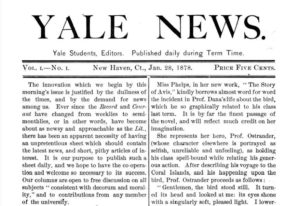
Oldest College Daily – Today in History: January 28
On January 28, 1878, the first edition of the Yale News proclaimed, “The innovation which we begin by this morning’s issue is justified by the dullness of the times, and by the demand for news among us.”
Read
Connecticut’s Christmas Town
Nestled in a quiet section of Litchfield County lies the picturesque town of Bethlehem, known best for its designation as “Connecticut’s Christmas Town.”
Read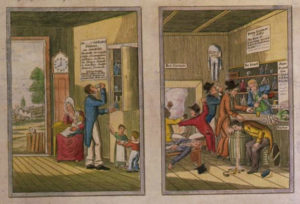
The Living Actually Haunted Many Connecticut Taverns – Who Knew?
Early Connecticut laws deemed anyone who spent excessive time in taverns as a “tavern haunter” and subjected them to fines and ridicule.
Read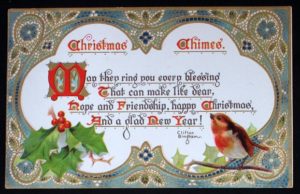
Sending Season’s Greetings: Christmas Cards in Connecticut
For nearly a decade, this little Connecticut town was renowned as the Christmas-card center of the world.
Read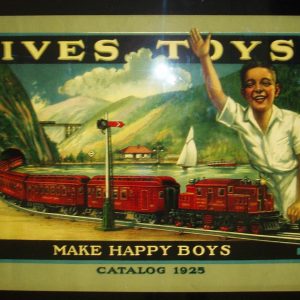
The Ives Manufacturing Company: Connecticut’s Foremost Toy Maker
The Ives Manufacturing Company—arguably Connecticut’s most famous toy company—became known for its variety of clockwork toys and trains.
Read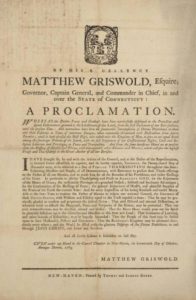
Governor Griswold’s Thanksgiving Proclamation
This broadside issued by Thomas and Samuel Green of New Haven announced the Proclamation of Governor Matthew Griswold naming Thursday the 24th of November, 1785, “a Day of Publick Thanksgiving.”
Read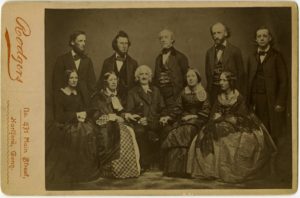
Scandal in the Beecher Family
An alleged affair between Elizabeth Tilton and Henry Ward Beecher became public in 1872 and inspired a series of lawsuits for libel.
Read
Connecticut Residents Did Not Let Veterans Day “Go Commercial.”
Despite passage of the federal Uniform Holiday Bill in 1968, Connecticut residents were largely reluctant to move Veterans Day observances from November 11.
Read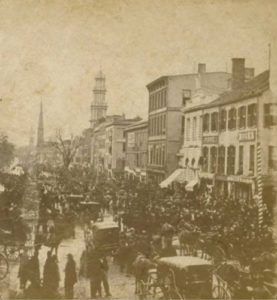
When Elections in Hartford Were a Piece of Cake
Unlike today, in the 18th and 19th centuries, Election Day met with great celebration.
Read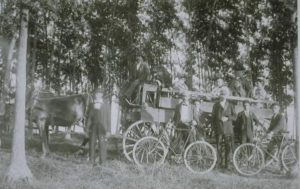
Connecticut’s Sleepy Hollow
Was Washington Irving’s famous schoolmaster, Ichabod Crane, modeled after a man who once called Milford home?
Read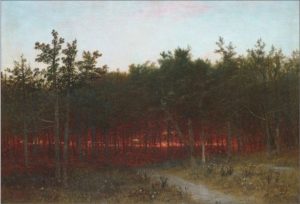
John Frederick Kensett Illuminates the 19th-Century Landscape
John Frederick Kensett was a landscape painter now identified with Luminism—a style of painting utilizing delicate brushstrokes to capture subtle natural light.
Read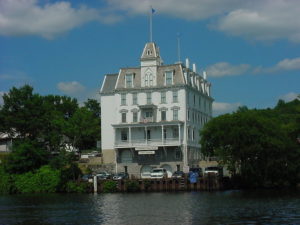
Goodspeed Opera House Opens – Today in History: October 24
On October 24, 1877, the Goodspeed Opera House on the Connecticut River in East Haddam officially opened to the public.
Read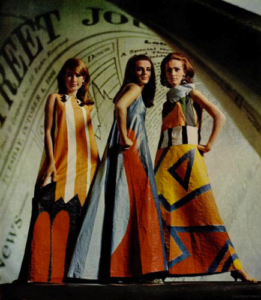
Get Out Your Paper Dress, Gal! – Who Knew?
In 1966, the Wadsworth Atheneum in Hartford was featured on the popular TV show, I’ve Got a Secret.
Read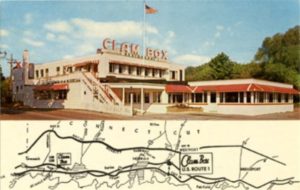
Lobsters and Oysters and Clams: A Short History of Seafood in Connecticut
The ocean’s bounty has been savored along the Connecticut coastline for as long as humans have been around to bring it on shore.
Read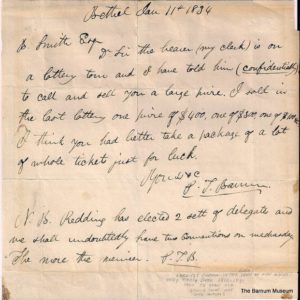
P. T. Barnum’s Lottery
Known for entertainment, this showman gained experience in engaging the public, and profiting from it, by running a lottery in Bethel.
Read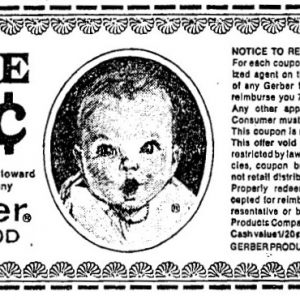
Birthplace of the Gerber Baby – Who Knew?
Westport’s artist Dorothy Hope Smith used her neighbor, Ann Turner, as inspiration for her iconic Gerber Baby trademark drawing.
Read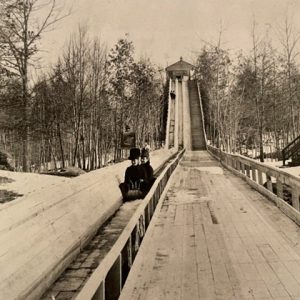
Trumbull’s Parlor Rock Park: A Premier Amusement Center of the Late 19th Century
In Trumbull, the arrival of the Housatonic Railroad brought a lesser known but more entertaining development—one of the country’s first amusement parks.
Read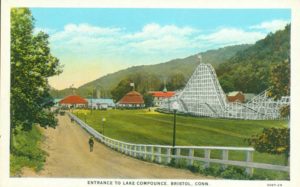
Lake Compounce: Bringing Amusements to the State’s Residents Since 1846
Bristol’s Lake Compounce is the oldest continually operating amusement park in the US and has been open every summer since 1846.
Read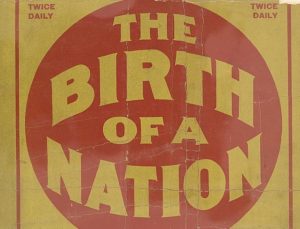
Hartford’s Challenge to “The Birth of a Nation”
D. W. Griffith’s silent movie, the racially charged “Birth of a Nation,” initially played to large audiences in Hartford before meeting with official resistance after World War I.
Read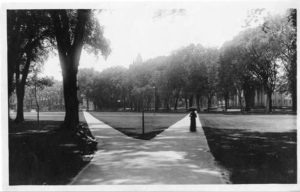
The Connecticut Town Green
Considered a quintessential feature of the New England landscape, town greens weren’t always the peaceful, park-like spaces we treasure today.
Read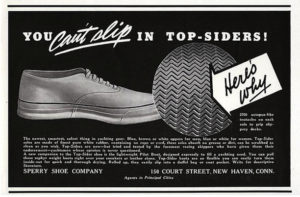
Boat Shoes Have Ties to Connecticut – Who Knew?
During the 1935 winter, Paul Sperry watched his dog run across ice and snow without slipping and got inspired to create a shoe that would help human traction.
Read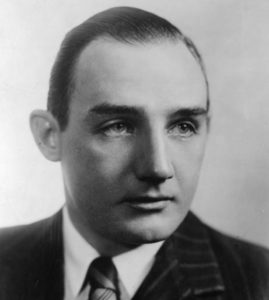
Joseph Alsop: Cunning Political Columnist of Mid-Century America
Joseph Wright Alsop was one of the country’s most well-known political journalists of the 20th century and was drawn into some of the most influential power circles in the world.
Read
WDRC AM/FM – Connecticut’s Oldest Commercial Radio Station
WDRC is the oldest continuously operated commercial radio station in Connecticut that uses both AM and FM transmissions.
Read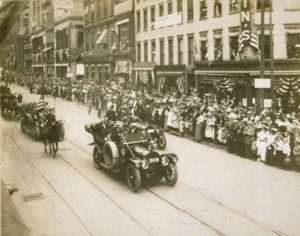
Oldest Cavalry Unit – Who Knew?
The First Company Governor’s Horse Guards is the oldest, continuously active, mounted cavalry unit in the United States.
Read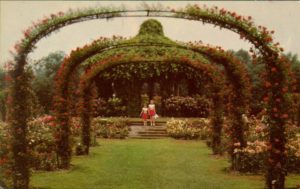
Oldest Rose Garden – Who Knew?
The Elizabeth Park Rose Garden in Hartford is the oldest municipally operated rose garden in the country.
Read
Orange: Connecticut’s Candy Dispenser
Orange, Connecticut is home to one of the most revered, nostalgia-inspiring candy companies in the United States, PEZ.
Read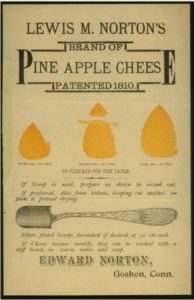
The Story of Pineapple Cheese
On a farm in West Goshen, Lewis Norton made one of the more unusual and popular foods of the 19th century, pineapple cheese.
Read
Plainville Has Been Flying High for Over 100 Years
The town of Plainville claims a special relationship with aviation culture that dates back to the earliest days of flight in the state.
Read
A Hip Road Trip
Known as “Gasoline Alley” during the 1950s, the Berlin Turnpike boasts a heady visual mix of neon, brand names, logos, and 1960s’ motel Modernism.
Read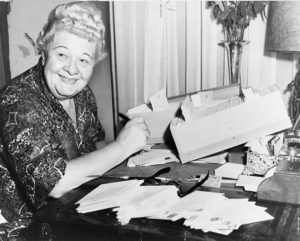
Sophie Tucker, The Last of the Red-Hot Mamas
Hartford’s own leading lady was a lively entertainer whose career spanned over five decades and whose generosity spilled over to various and numerous charities.
Read
Louis’ Lunch and the Birth of the Hamburger
In 1900, in answer to a customer’s rush order for something “quick and delicious,” Louis Lassen of New Haven served up a meal that is credited as being the first hamburger.
Read
“Take Five” with Dave Brubeck
Dave Brubeck was one of the leading jazz pianists and composers of the 1950s and 60s and made his home in Wilton.
Read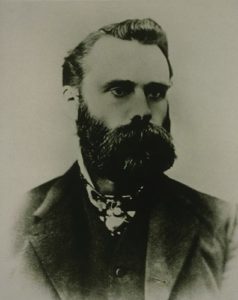
Humble Beginnings of the Dow Jones: How a Sterling Farmer Became the Toast of Wall Street
The life of Charles Dow, in many respects, follows the storyline of the prototypical self-made man.
Read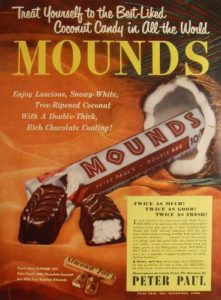
Mounds Candy Bar Involved in Espionage – Who Knew?
A storied Naugatuck business had its own “navy” and that it performed espionage services for the United States government during World War II.
Read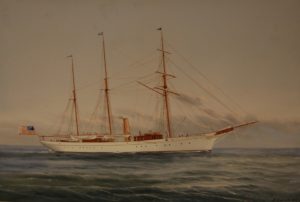
The Slaters Go Round the World
In 1894, a well-to-do Norwich family set sail from New London on a ship outfitted with Persian rugs, oil paintings, a library, and 75 cases of champagne.
Read
Where the Wild Things Are: Maurice Sendak
Authoring and illustrating dozens of books, such as ‘Where the Wild Things Are’ and ‘In the Night Kitchen,’ Maurice Sendak redefined children’s literature throughout the 20th century.
Read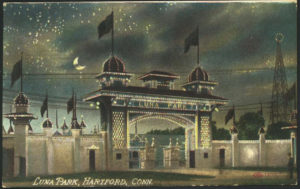
Luna Park: A 20th-century Story of Amusement and Morality
The story of Luna Park in West Hartford provides insight into the battles between entertainment and ethics in Connecticut during the Progressive Era.
Read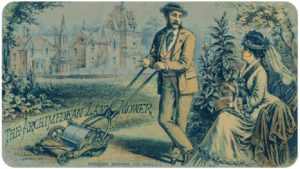
Selling Connecticut Products Abroad
In the mid-1800s, manufacturers from Connecticut found new overseas markets for everything from clocks and firearms to lawn mowers and machetes.
Read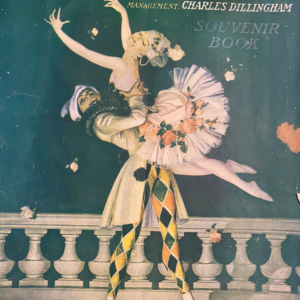
Hartford’s Charles Dillingham Discovered Broadway Stars
After growing up in Hartford, Charles Dillingham explored numerous career paths including newspaper publishing, politics, and—most famously—theatrical managing and producing.
Read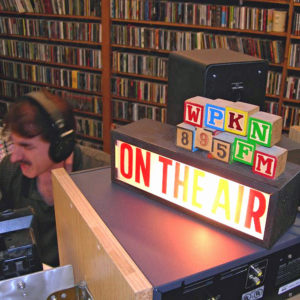
Bridgeport’s WPKN: Going Strong After Half a Century
Bridgeport’s community radio station, WPKN, is still going strong after half a century, offering unique and eclectic programming.
Read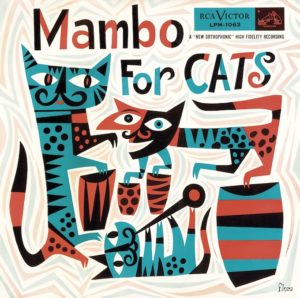
Jim Flora Captures 20th-Century Pop Culture
From jazz album covers to magazines and children’s books, Rowayton artist Jim Flora created works that helped document life in 20th-century America.
Read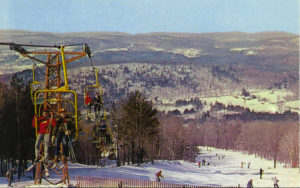
Mohawk Mountain Made Snow for Winter Sports Lovers – Who Knew?
In the 1930s, skiing became a popular pastime at Mohawk State Park in Cornwall and became famous for documenting the first artificial snow.
Read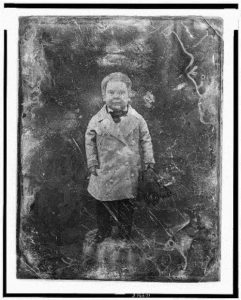
“Tom Thumb” Born – Today in History: January 4
Charles Stratton, born in Bridgeport on January 4, 1838, toured the world with P. T. Barnum under the name, General Tom Thumb.
Read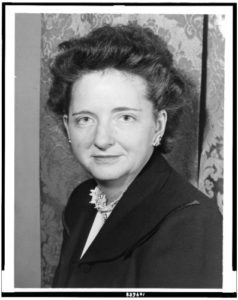
Elizabeth Bentley Born – Today in History: January 1
Elizabeth Terrill Bentley is best known for her role as an American spy for the Soviet Union—and for her defection to become a US informer.
Read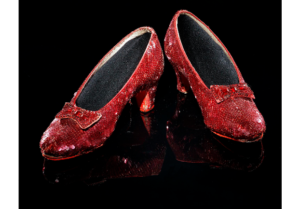
There’s No Place Like Home for the Designer of Dorothy’s Ruby Slippers – Who Knew?
Connecticut-born Adrian, the American clothing designer who found success in Hollywood, designed Dorothy’s ruby slippers for The Wizard of Oz.
Read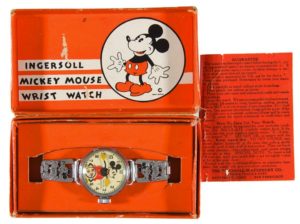
Waterbury Clock Company Saved by Mickey Mouse – Who Knew?
The Ingersoll Waterbury Company (now Timex) was saved from bankruptcy during the Great Depression, in part, by the introduction of the Mickey Mouse watch.
Read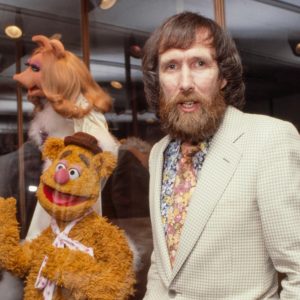
Jim Henson, the Muppets, and Greenwich
Between 1964 and 1971, the famous puppeteer and creator of Sesame Street, Jim Henson, lived in Greenwich and created many of his most recognizable characters.
Read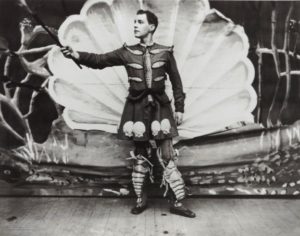
Chick Austin Modernizes a Connecticut Institution
Arthur Everett “Chick” Austin Jr., director of the Wadsworth Atheneum from 1927 to 1944, put Hartford on the cultural map.
Read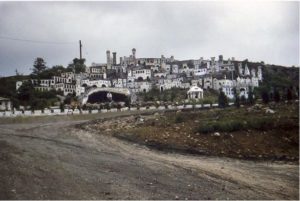
Waterbury’s Holy Land
Begun by Catholic activist John Greco in 1956, Holy Land USA fell victim to neglect and abandonment in the 1980s.
Read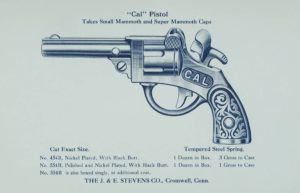
Cromwell’s Iron Men Made Toys for Boys and Girls
The J & E Stevens Company eventually became the largest manufacturer of cast-iron toys in the country.
Read
Scrabble Copyrighted – Today in History: December 1
On December 1, 1948, James Brunot of Newtown copyrighted the famous spelling game Scrabble.
Read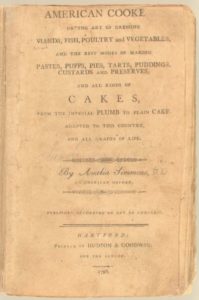
Give Thanks for American Cooking
Widely accepted as the first cookbook written by an American, Amelia Simmons’s American Cookery was published by Hudson & Goodwin of Hartford in 1796.
Read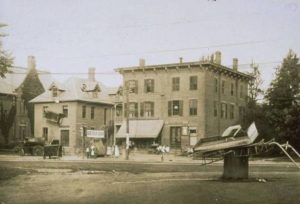
Past Hallowe’en Pranks Bemused Some and Frustrated Others
Jack o’ lanterns, witches, and ghosts—many of the holiday staples that we still associate with Halloween were familiar to Connecticut residents in the early 1900s.
Read
The Storied History behind Connecticut’s Nicknames
Though Connecticut’s official nickname is the “Constitution State,” it has been known by many names throughout the centuries.
Read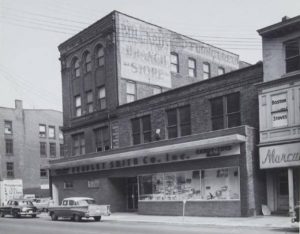
New Haven Gives the Lollipop its Name – Today in History: October 13
On October 13, 1931, the name “Lolly Pop” was officially registered to the Bradley Smith Company of New Haven by the US Patent and Trademark Office.
Read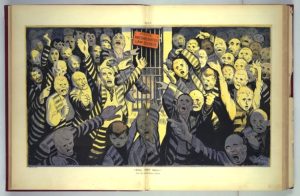
Art Young, Radical Cartoonist
One of the more controversial cartoonists of the early 20th century, Art Young lived much of his life in Bethel. Residents later founded the Art Young Gallery in his memory.
Read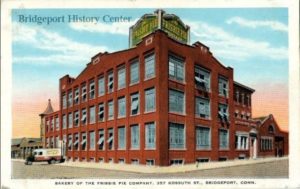
A Pie Tin’s Soaring Sales
Tins used to hold pies at William Frisbie’s pie company in Bridgeport in the late 1800s reportedly provided the inspiration for Wham-O’s most popular toy, the Frisbee.
Read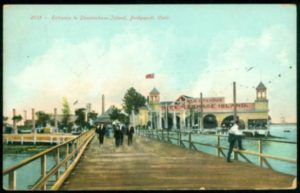
A Unique Island Attraction in Bridgeport
When Bridgeport annexed the borough of West Stratford in 1889, the acquisition came with a a small 37-acre parcel of land on a barrier island at the mouth of Bridgeport Harbor.
Read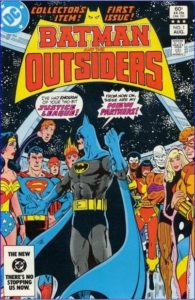
Drawn to Superheroes
Working as an illustrator at DC Comics for over 30 years, Aparo drew for such legendary series as Aquaman, The Brave and the Bold, Green Arrow, and The Spectre.
Read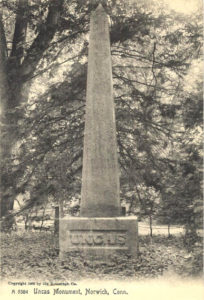
Buffalo Bill Cody Visits the Monument of Uncas – Today in History: July 2
On July 2, 1907, American adventurer and showman “Buffalo Bill” Cody visited the Mohegan Royal Burial Grounds in Norwich.
Read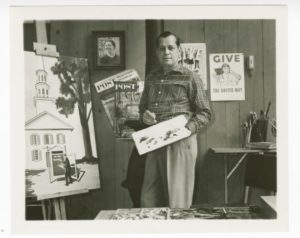
Stevan Dohanos Captures Connecticut Life
Westport resident Stevan Dohanos was one of America’s top realist illustrators, producing more than 125 popular magazine covers, and over 300 designs for commemorative postage stamps.
Read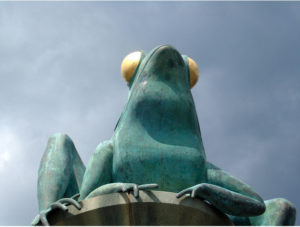
Bridge Ornaments Help Tell the Legend of the Windham Frog Fight
One June night in 1754, Windham residents awoke to a dreadful sound, the source of which has inspired tall tales ever since.
Read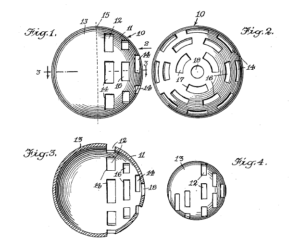
Wiffle Throws a Curve in American Leisure Time
When David N. Mullany created the concept for a lightweight ball, he didn’t know his invention would change the way children across the US played backyard baseball.
Read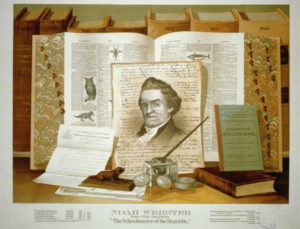
Noah Webster and the Dream of a Common Language
Best remembered for the dictionary that now bears his name, Noah Webster played a pivotal role in shaping the young nation’s political and social identity.
Read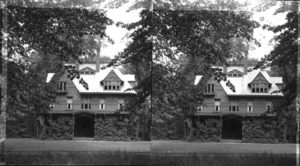
Charles Dudley Warner: 19th Century Writer and Social Commentator
Author Charles Dudley Warner penned significant volumes of work, leaving an impact through his enduring social commentary in the second half of the 19th century.
Read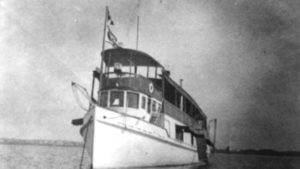
Aunt Polly and Its Preservation
Screen actor, director, and playwright William Gillette owned a houseboat he named Aunt Polly. He lived on the boat and entertained there while he awaited final construction of his Connecticut mansion in East Haddam.
Read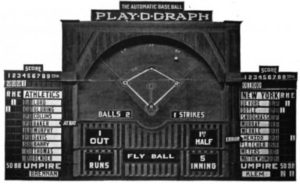
Re-creating Our National Pastime
The Baseball Playograph Company in Stamford brought live baseball to tens of thousands of Americans through the production of its “playograph” product.
Read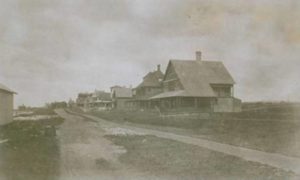
Paradise on the Sound: The Summer Colony at Fenwick
The history of this Old Saybrook community includes Stick-style architecture, Katherine Hepburn, and an iconic license plate image.
Read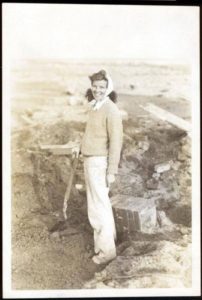
Katharine Hepburn Born – Today in History: May 12
On May 12, 1907, stage and screen legend Katharine Hepburn was born to Thomas Norval Hepburn and women’s right activist Katharine Houghton Hepburn.
Read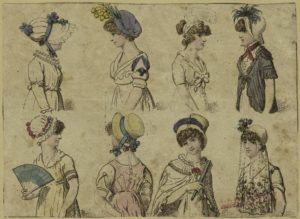
First Woman to Receive US Patent – Today in History: May 5
On May 5, 1809, Mrs. Mary Kies of South Killingly became the first woman in the United States to receive a patent.
Read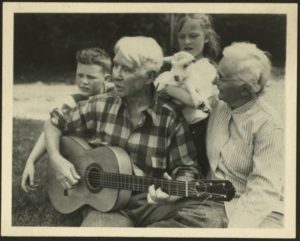
Carl Sandburg, Poet from the Grassroots, Reaches Connecticut Audiences
Popular poet, singer, and activist Carl Sandburg had numerous connections to Connecticut and promoted social reform in the early 20th century.
Read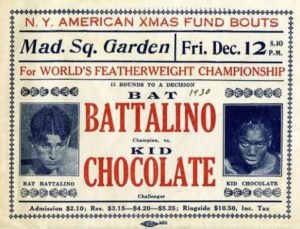
Battling Bat Battalino: One of Hartford’s Heroes
A tenacious and long-lasting boxer, Battalino went on to win the world professional featherweight championship.
Read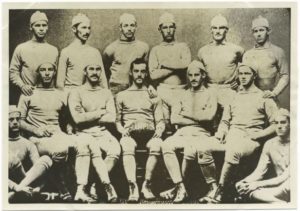
The “Father of American Football” is Born – Today in History: April 7
A native of New Britain, Walter Camp helped revolutionize the game of American football while a student and coach at Yale and for several years afterward.
Read
The Thimble Islands – Little Islands with a Big History
While initially uninhabited because of their rocky soil, the Thimble Islands in Branford evolved into both a popular tourist destination and an exclusive residential community.
Read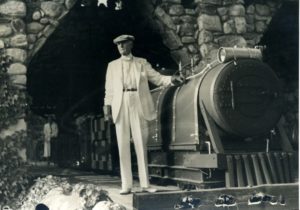
Holmes at Home: The Life of William Gillette
William Gillette was an American actor, playwright, and stage director most famous for his stage portrayal of Sherlock Holmes and for the stone castle he built in East Haddam.
Read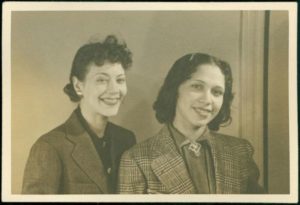
Remembering Fredi Washington: Actress, Activist, and Journalist
This actress earned acclaim for her portrayal of an African American woman who chooses to pass as white in order to escape racial discrimination but, in real life, she embraced her heritage and worked to end inequality.
Read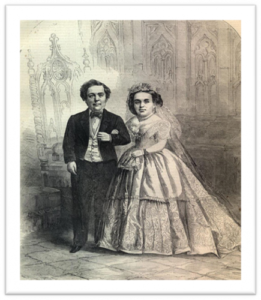
Charles Stratton and Lavinia Warren Wed – Today in History: February 10
He was rich, handsome and famous, she was considered a great beauty and their wedding was front page news around the nation.
Read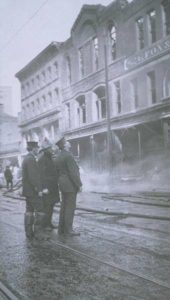
G. Fox & Co. Destroyed by Fire – Today in History: January 29
On January 29, 1917, watchmen discovered a fire on the ground floor of the G. Fox & Co. building complex located on Main Street in Hartford.
Read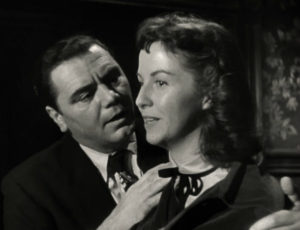
Ernest Borgnine: Breaking the Hollywood Mold
Ernest Borgnine, a native of Hamden who served ten years in navy, became one of the world’s most recognized and revered actors.
Read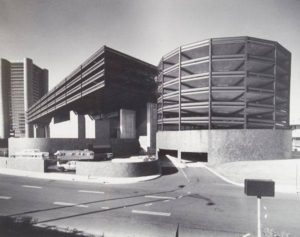
New Haven Coliseum Imploded – Today in History: January 20
On January 20, 2007, the 35-year-old New Haven Veterans Memorial Coliseum met its end as crews imploded the partially dismantled structure.
Read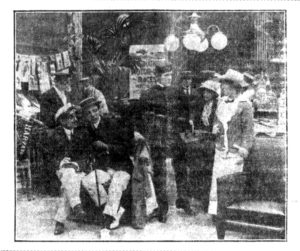
Portland’s Guy Hedlund: Actor and Activist
Guy Hedlund was a Connecticut native made famous through his roles as a theater and motion picture actor.
Read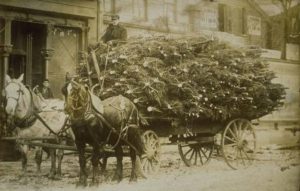
O Christmas Tree!
On December 25, 1890, The Hartford Courant reported that Christmas Eve had seen crowded stores and train delays of up to an hour due to heavy travel.
Read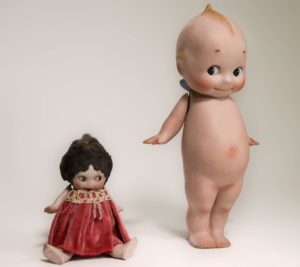
The Kewpies Buy A House in Westport
The Kewpies originally appeared as a comic strip in the Christmas issue of the 1909 Ladies Home Journal.
Read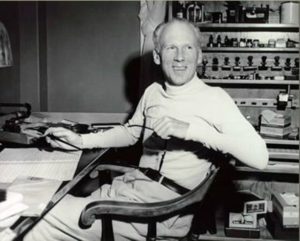
Leroy Anderson Composed Iconic Music in Woodbury
Leroy Anderson, a long-time resident of Woodbury, was one of the most popular composers of light concert music in the 20th century.
Read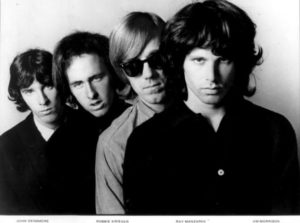
Jim Morrison Arrested – Today in History: December 9
On December 9, 1967, police arrested Doors’ front man Jim Morrison as he performed onstage at the New Haven Arena.
Read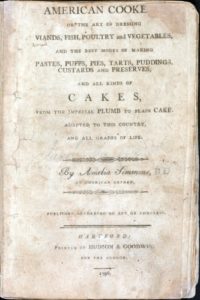
Amelia Simmons Adds a Uniquely American Flavor to Cooking
In 1796, Amelia Simmons authored American Cookery—believed to be the first cookbook authored by an American published in the United States.
Read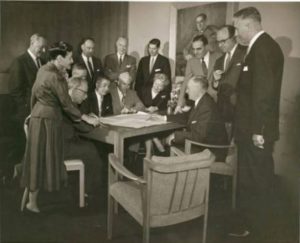
Beatrice Fox Auerbach: Retail Pioneer Led Iconic Family Department Store
Beatrice Fox Auerbach was pioneering retail executive who ran the G. Fox & Co. department store and numerous philanthropic benefiting people in Hartford and around the world.
Read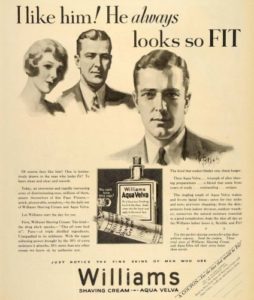
The Aqua Velva State – Today in History: November 17
On November 17, 1917, the J.B. Williams Company of Glastonbury filed a trademark with the US Patent and Trademark Office for the Word Mark “Aqua Velva.”
Read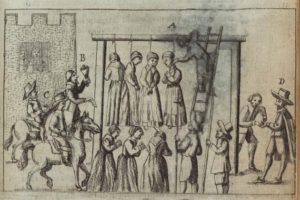
Witchcraft in Connecticut
Well before the Salem trials, Connecticut residents were executing “witches.” Connecticut is home to what was most likely the first execution of its kind in colonial America.
Read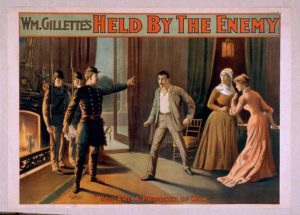
American Actor Changes 19th-Century Theater – Who Knew?
Hartford-born William Gillette, known best for his portrayal of Sherlock Holmes in film and theater, was also a successful playwright.
Read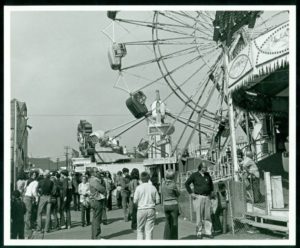
The Danbury Fair, 1869-1981
For almost a century the Danbury Fair thrilled people from near and far. First showcased for its agricultural achievements, it later hosted a number of popular attractions including rides, races, and entertainment.
Read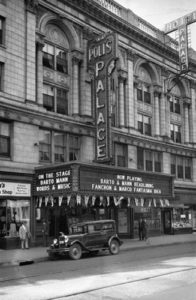
Sylvester Poli, Negotiating Cultural Politics in an Age of Immigration
This Italian-born businessman and New England theater magnate also helped the working poor in New Haven’s immigrant communities at the turn of the 20th century.
Read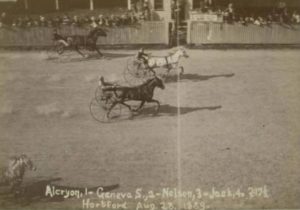
And They’re Off!: Harness Racing at Charter Oak Park
The day was cool and 10,000 spectators crowded the stands at Charter Oak Park to see a come-from-behind victory as Alcryon left the other trotters in the dust.
Read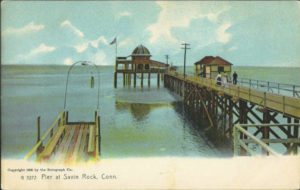
Savin Rock Park: “Connecticut’s Coney Island”
Savin Rock Park was a seaside resort constructed in the late 19th century in the modern-day town of West Haven.
Read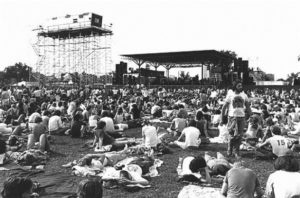
Colt Park and the Magical Summer of 1976
In the summer of 1976, Colt Park offered rock and roll fans an escape from troubled times through a series of concerts by some legendary acts.
Read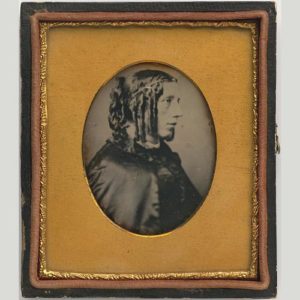
The Most Famous American in the World
In 1853, in cities and villages across Britain and Europe, throngs of admirers pushed to catch a glimpse of a barely 5-foot-tall writer from America whose best-selling novel had taken slavery to task.
Read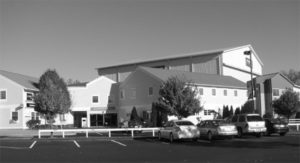
The Story of the Oakdale Makes Great Theater
The legendary Oakdale Theater in Wallingford reflects over 60 years of evolution in American pop culture.
Read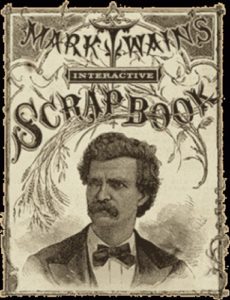
Samuel L. Clemens Receives Scrap-book Patent – Who Knew?
Writer and humorist Samuel Langhorne Clemens, better known by his pen name Mark Twain, invented more than tall tales and novels.
Read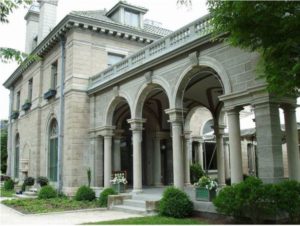
Harkness Memorial Park Offers a Glimpse into Early 20th Century Wealth
With gorgeous views of Long Island Sound, Harkness Memorial Park is a beautifully landscaped recreation area along the shoreline in Waterford, Connecticut.
Read
The Hartford Insurance Investigator With the Action-Packed Expense Account
Based in Hartford, “Yours Truly, Johnny Dollar” was one of America’s most popular radio shows during the 15 years it aired.
Read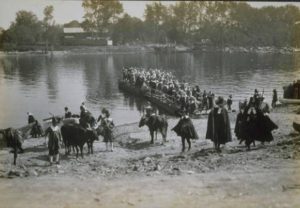
Colonial Revival Movement Sought Stability during Time of Change
The Colonial Revival was national in its scope, but as a state rich in historic resources, Connecticut became inextricably linked with the movement.
Read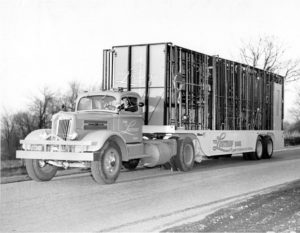
Metal Homes for the Atomic Age
Once touted as the house “America has been waiting for,” only a few post-WWII Lustron steel houses remain in Connecticut.
Read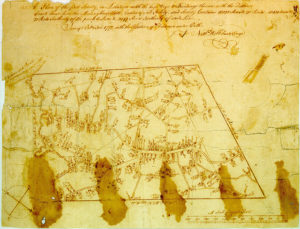
Exploring Early Connecticut Mapmaking
Renderings of the terrain served a variety of purposes, from supporting colonists’ land claims as well as tribal counterclaims to settling religious disputes and even adorning the homes of the well-off.
Read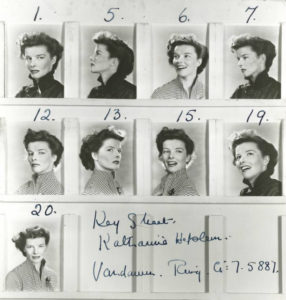
Katharine Hepburn’s Love Affair (with Connecticut)
One of the most popular actresses of the 20th century, Katharine Hepburn was born in Hartford and lived much of her later life in Old Saybrook.
Read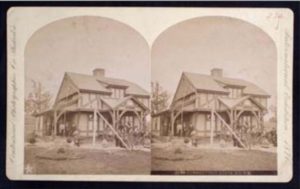
Take Me to the Fair: Connecticut Exhibits at the International Expositions
Connecticut took part in many of the great World’s Fairs, especially those held in North America.
Read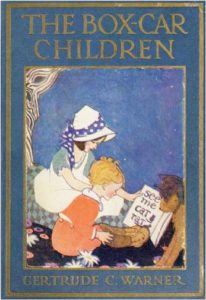
Connecticut: Home to the Boxcar Children Mysteries – Who Knew?
…that Gertrude Chandler Warner, a lifelong resident of Putnam, Connecticut, authored the popular series The Boxcar Children Mysteries?
Read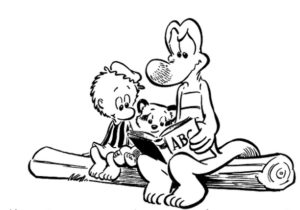
Bridgeport’s Walt Kelly, Creator of Pogo
Bridgeport resident Walt Kelly was the creator of Pogo, a wildly popular comic strip during the middle of the 20th century.
Read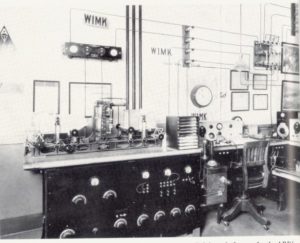
Amateur Radio Comes of Age in Connecticut
In April 1914, inventor, scientist, and amateur radio operator Hiram Percy Maxim encouraged the Radio Club of Hartford to organize amateurs into a self-reliant network.
Read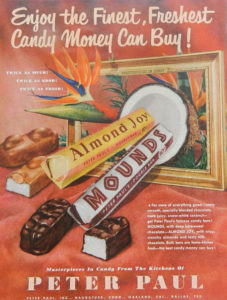
A Candy Bar Empire in Naugatuck
Almond Joy and Mounds were two of the most popular candy bars sold by Naugatuck’s Peter Paul Manufacturing Company, an enterprise begun by Armenian immigrant Peter Halajian.
Read Charles Stratton and Lavinia Warren Wed – Today in History: February 10
He was rich, handsome and famous, she was considered a great beauty and their wedding was front page news around the nation.
Read
A 1947 Movie Details the Unsolved Murder of a Bridgeport Priest
An unusual murder of a Bridgeport, Connecticut, priest in 1924 inspired the movie, Boomerang!, which debuted at the Cannes Film Festival in 1947.
Read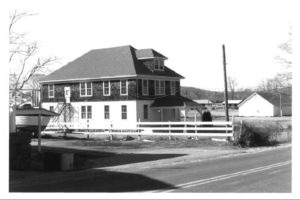
North Stonington Fairs Preserve Connecticut’s Agricultural Heritage
Despite brief success as a mill town in the early 19th century, North Stonington is ultimately tied to its agricultural history.
Read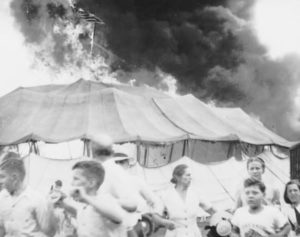
The Hartford Circus Fire
As a result of the Hartford Circus Fire of 1944, Connecticut enacted new, strict fire safety regulations for public performances.
Read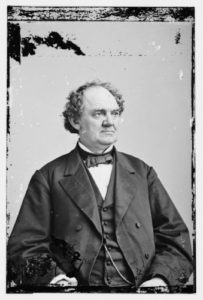
P. T. Barnum Dies – Today in History: April 7
On April 7, 1891, the showman and entertainer, P. T. (Phineas Taylor) Barnum died in Bridgeport.
Read
Alfred Carlton Gilbert, Inventor of the Erector Set – Today in History: February 15
A. C. Gilbert, a successful Olympic athlete, invented the Erector Set after being inspired by the structures he saw while on a train ride from New Haven to New York in 1911.
Read
Waterford’s Need for Speed
The Waterford Speedbowl is a 3/8-mile oval racetrack located along Route 85 in Waterford, Connecticut.
Read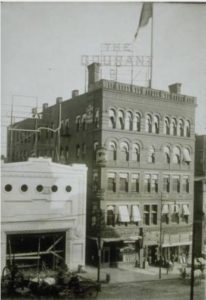
The Hartford Courant: The Oldest US Newspaper in Continuous Publication
On October 29, 1764, New Haven printer Thomas Green began publishing The Hartford Courant (then known as The Connecticut Courant) in Hartford, Connecticut.
Read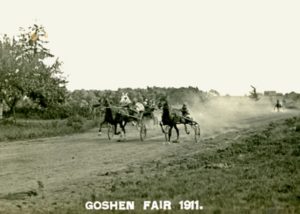
Goshen Fairs Well with Agricultural Enthusiasts
In the mid-1980s, members of the Connecticut State Grange awarded Goshen the Connecticut Agricultural Fair.
Read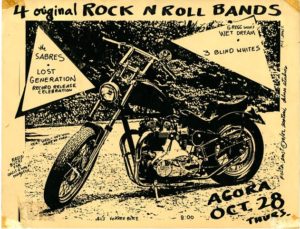
Hardcore Connecticut: Documenting the State’s Punk Rock Scene
Hardcore punk rockers occupied venue spaces, spectators became performers, pools became skate parks, and Xerox machines became the printing press in this underground renaissance.
Read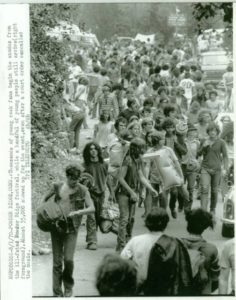
Connecticut’s “Woodstock” Canceled – Today in History: July 30
On July 30, 1970, Louis Zemel had to tell a crowd of thousands that the scheduled three-day rock festival they had come for in Middlefield was canceled.
Read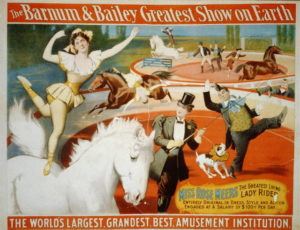
P. T. Barnum: An Entertaining Life
Once declared “the most widely known American that ever lived,” this showman’s life story is as colorful as the entertainments he provided in the mid-1800s.
Read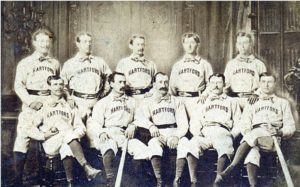
Diamonds of the Past: Hartford’s Lost Ball Parks
Erected in 1874, Hartford’s earliest baseball stadium was the Base Ball Grounds in Colt Park, on the corner of Wyllys Street and Hendricxsen Avenue.
Read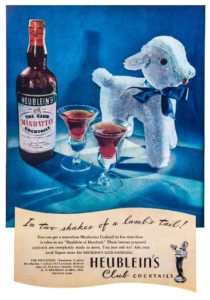
Just Pour Over Ice – Who Knew?
The Heublein Restaurant served its thirsty customers pre-mixed cocktails that became so wildly popular they had to build a distillery just to meet demand.
Read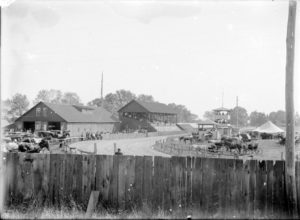
A Fair to Remember in Brooklyn
Sponsored by the Windham County Agricultural Society, the Brooklyn Fair is held annually in August to promote and preserve the area’s agricultural heritage.
Read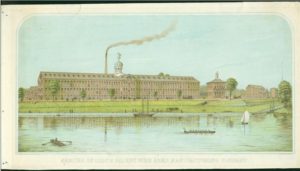
Samuel Colt and Elizabeth Jarvis Marry – Today in History: June 5
On June 5, 1856, Samuel Colt married Elizabeth Hart Jarvis, the daughter of Reverend William Jarvis and Elizabeth Hart of Middletown.
Read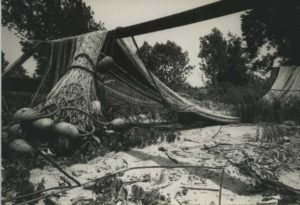
A Tale of Shad, the State Fish
The aquatic inhabitant, shad, has a long history of influencing foodways, income, and culture in the region.
Read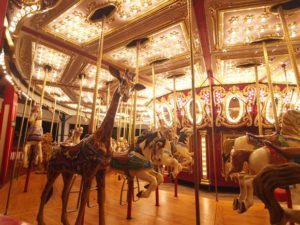
Quassy: One of the Last of the Old-Time Trolley Parks
One of the last old-time trolley parks, Quassy Amusement Park in Middlebury has been a staple in Connecticut entertainment for over 100 years.
Read
The Answer Is Risom!
How the Scandinavian design movement re-fashioned local industry in the mill town of Thompson during the 1960s and ’70s.
Read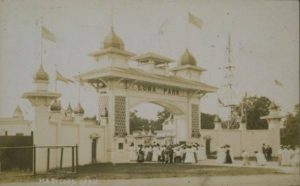
Luna Park – Who Knew?
Luna Park in West Hartford was a popular attraction at the turn of the 20th century but was demolished in the 1930s to make way for a factory.
Read
Preserving an All-American Downtown in Torrington
Torrington’s unique and historically significant buildings are the foundation on which local businesses and civic leaders built a revitalized economy.
ReadMore Articles